An atlas in six plates
ParagGarg
Surgeon. Builder of clinical AI and the governance that lets it be used. Philosopher of mind. Machine-learning problem solver. The same rule runs through all of it: quality is never traded for speed, and the first constraint is safety.
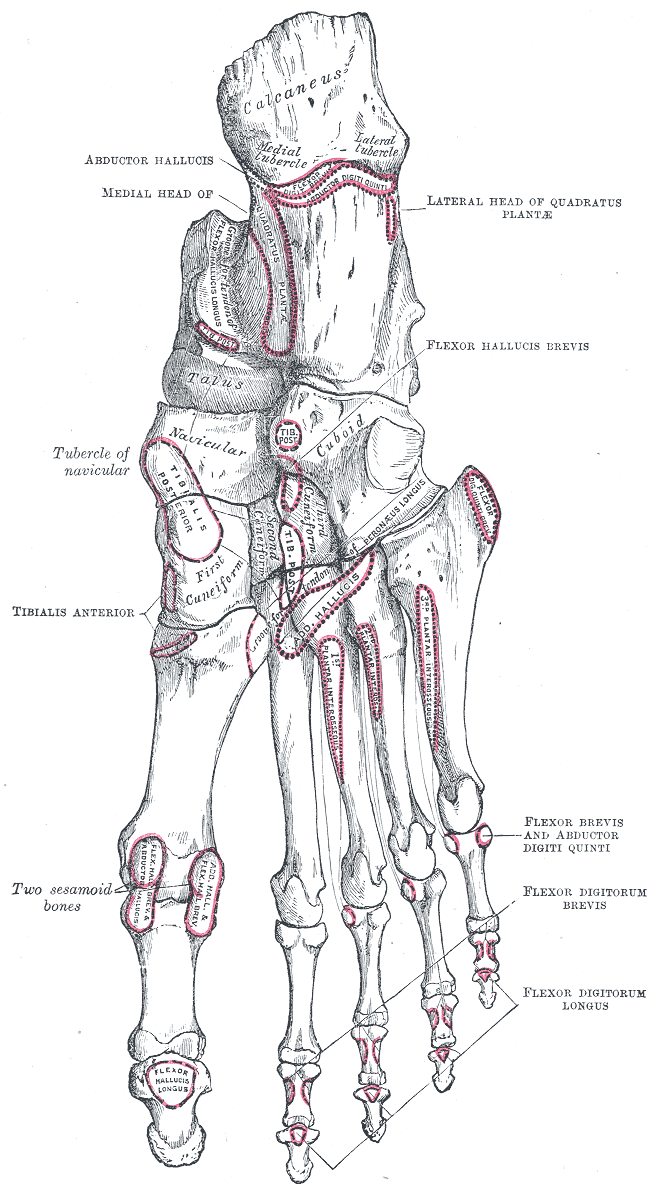
Plate I
Orthopaedic surgeon
Consultant foot and ankle surgeon in the NHS, with a peer-reviewed clinical publication record. Fourteen years at a table where you state the plan before you cut, pair the comparison, report the complication rate, and correct the record in writing when you were wrong. Every method further down this page is borrowed from this one.
- 1
- Hindfoot: where the work is
- 2
- Midfoot: the planning problem
- 3
- Forefoot: the common case
- 4
- The line you commit to before you start
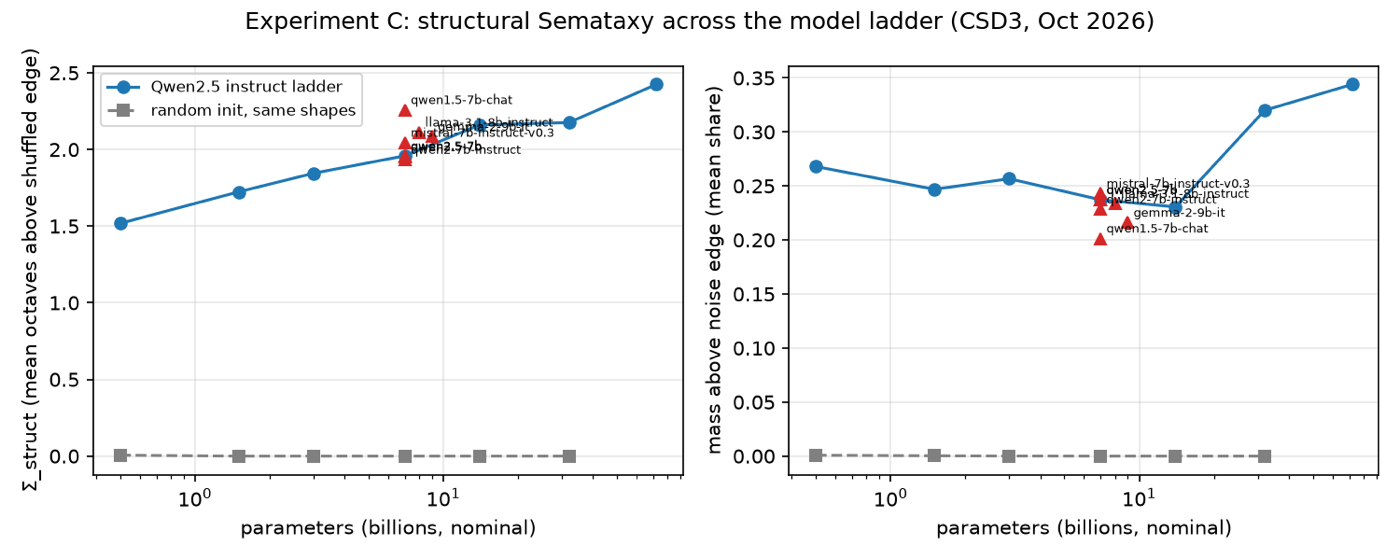
Plate II
Machine learning
A problem solver before a specialist. Harnesses, cluster pipelines and analysis built by directing an AI collaborator, across Qwen, Pythia, Llama, Mistral and Gemma from 160M to 72B. Two questions under test: whether alignment arrives with capability, and whether a model can keep learning without losing itself.
- 1
- Trained weights: structure across scales
- 2
- The same entries shuffled: entropy identical
- 3
- One permutation is the whole test
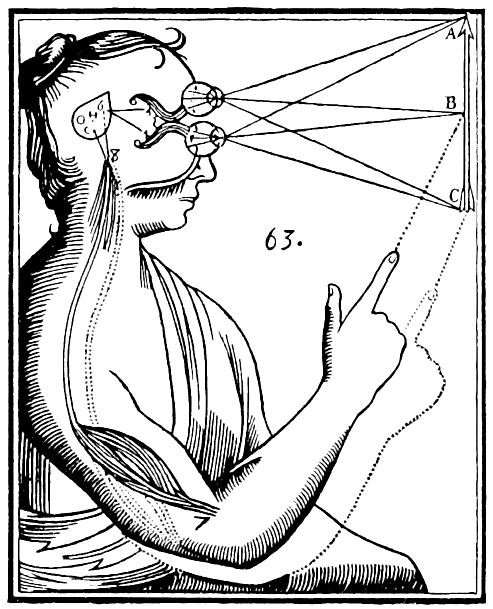
Plate III
Philosopher
Consciousness identified with a change in how intelligence is organised: when routine competence fails, learned capacities are recruited into one temporarily unified model whose possible continuations govern attention and action. Five papers, written at explicit causal seams so they can be refuted one link at a time, and argued out in the philosophy club and in Minds and Machines at Cambridge.
- 1
- Routine competence, handled below
- 2
- Opening: authority transfers
- 3
- Maintenance ends the episode
Plate IV
Badly Divided
The name the open work ships under. The Health IG Companion is published there in full, including the review that found seven of its own rules citing no published requirement and demoted them to proposals. Apache 2.0, with a clause transferring the project to NHS England on request. No company, nothing for sale.
- 1
- What the published standards actually require
- 2
- Claims as signed facts, checkable from public keys
- 3
- What was wrong, published with the fix
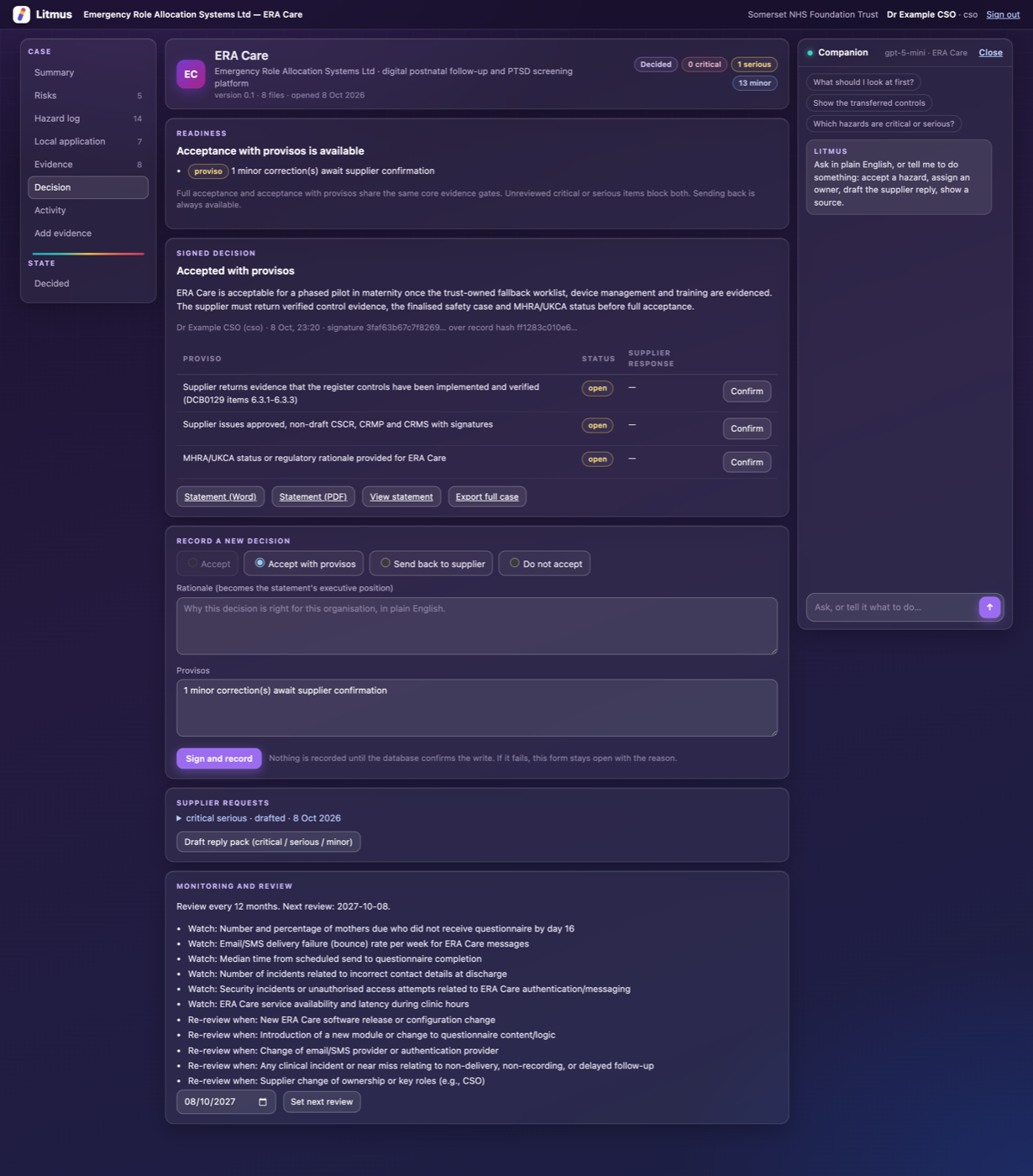
Plate V
AI in medicine
Nine tools built from friction met in my own clinics and lists: a diabetic foot check-in, a virtual fracture pathway, medicines reconciliation, trauma and clinic assistants, a CT planner, a coordinator. Then the governance those tools ran into, automated too, because that turned out to be the real bottleneck.
- 1
- The model reads
- 2
- Bounded handover, traced
- 3
- The clinician decides
- 4
- Signed, and auditable afterwards
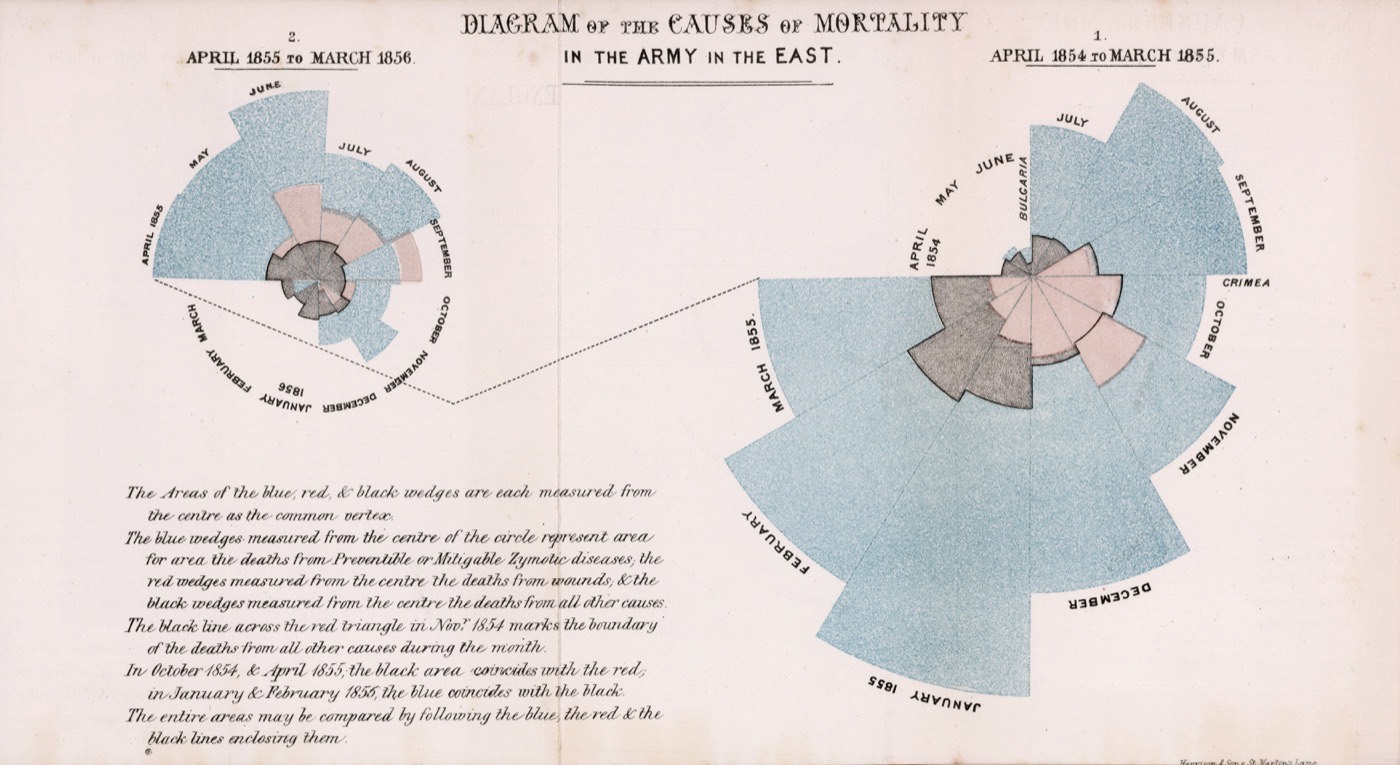
Plate VI
Healthcare data science
Reading for the MSt at Cambridge. In practice it means measuring the tools rather than describing them: a blind run against a fixed corpus with deliberately planted errors, re-measured whenever the model, the prompt or the rules change, every miss read one by one, and the scorer itself treated as suspect.
- 1
- The curve everyone quotes
- 2
- The planted errors, and the misses
- 3
- The fault the harness found in its own metric
Colophon
What I am looking for
Both research lines stop in the same place. The alignment question needs untuned models at frontier scale, and open weights stop at 72B. Continuous learning needs a frontier model’s real pretraining distribution to replay against and its real evaluations in the gate. Inside a lab, the loop becomes a measurement of the thing it is meant to protect.
Contact details will be added before public go-live.- Clinical
- Consultant orthopaedic foot and ankle surgeon, NHS
- Reading for
- MSt in Healthcare Data Science, University of Cambridge
- Philosophy
- Philosophy club · Minds and Machines, Cambridge
- Compute
- Cambridge CSD3, A100 and H100 allocations
- Open source
- github.com/badlydivided · Apache 2.0 with an NHS England transfer clause